
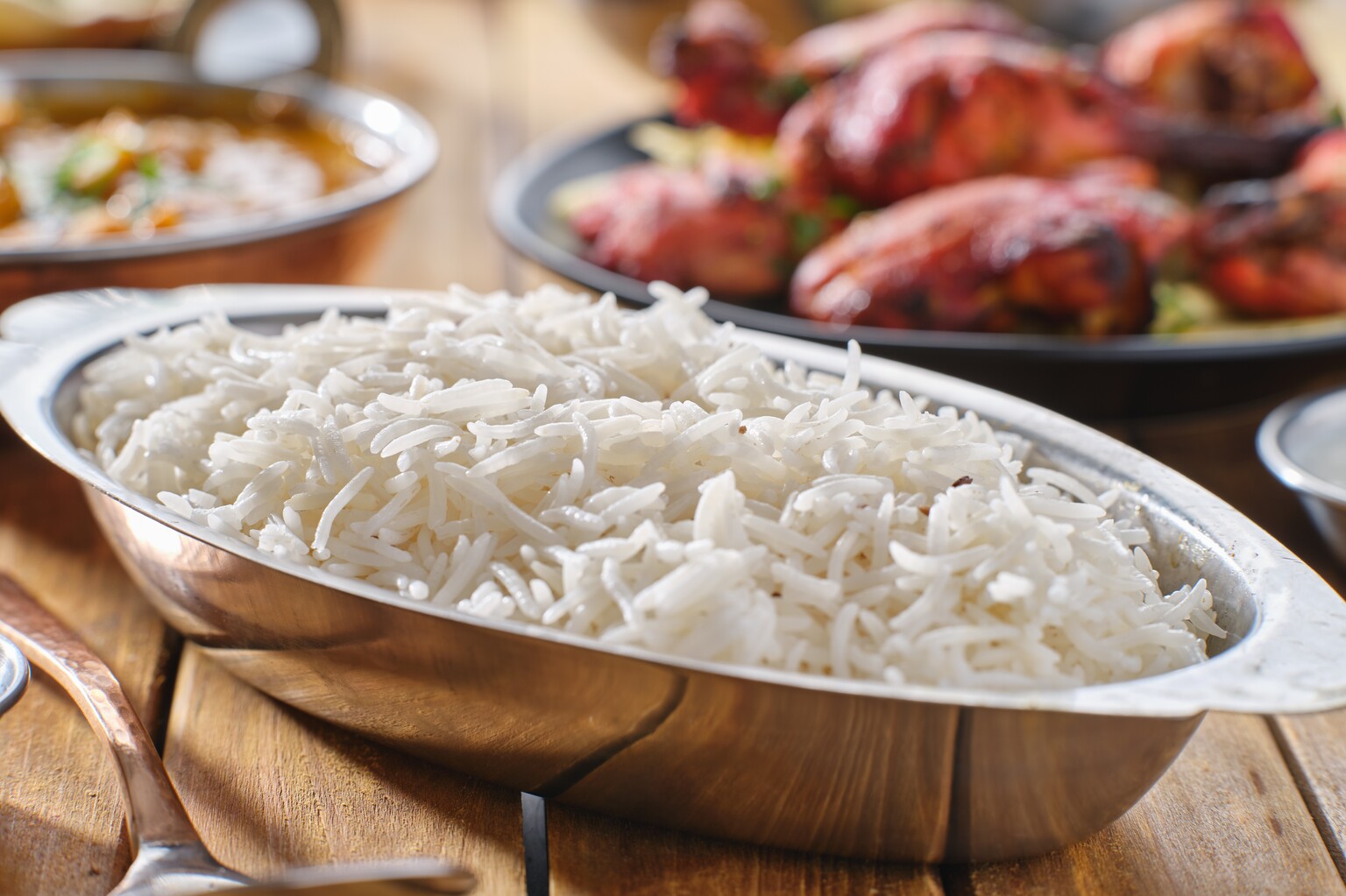
Basmati rice is more than just a fragrant staple; it is a symbol of tradition, nourishment and quality. Its distinct aroma, extra-long slender grains and subtle nutty taste make it a favorite in households across India, the UAE and the Middle East.
Whether you are preparing a classic biryani, a traditional Kabsa or a hearty Mandi, the rice you choose matters- not just for flavor, but for your health too. At Gautam Rice, we specialize in the finest Indian 1121 extra long grain Basmati rice, aged to perfection and sourced from the fertile plains of northern India. One common question is whether Basmati health benefits make the higher price worth it.
If you have ever asked yourself, “Is basmati rice good for health?”- you are not alone. Many people want to know about the nutrition facts, calorie content and how it affects blood sugar levels. In this blog, we will break down the health benefits of Basmati rice clearly and simply. So, let us begin!
Is Basmati rice healthy for you?
Most of the world’s Basmati rice comes from India and Pakistan, with India providing about two-thirds of the total supply. While its exact origin is still debated, archaeologists have found long-grain rice near Udaipur that dates back to between 2000 and 1600 BC.
That’s where we at Gautam Rice source our 1121 Extra Long Grain variety from. We age it naturally for 12–18 months, and then process it under strict quality standards for that perfect grain length and aroma.
This is what makes our 1121 Basmati rice perfect for a variety of recipes like biryanis, Mandi and even simple everyday meals.
However, there is more to Basmati rice than just its look or taste. It can be a healthy option when eaten in the right amount and as part of a balanced diet, especially when you choose high-quality varieties like Gautam’s 1121 extra long grain rice. That is because Basmati rice is full of important nutrients and has less arsenic compared to many other types of rice.
Brown Basmati rice is even better because it still has its outer layer (called the bran), which adds more fiber, minerals and vitamins that are good for your overall health. Now, let us take a closer look at Basmati rice health benefits:
| Quick Fact: Basmati rice has less arsenic than other rice types and a lower glycemic index, which makes it a safer and healthier option for regular consumption. |
May help lower cancer risk
Brown Basmati rice contains more fiber than white Basmati and even more than many other types of brown rice- about 20% more. A diet high in fiber can help protect you from certain types of cancer, especially colon cancer.
Studies suggest that eating around 3 ounces of whole grains each day can reduce the risk of colon cancer by about 17%. Thus, adding brown Basmati rice, especially from Gautam’s naturally aged collection, to your meals is a simple way to boost your fiber intake and support better health.
Safe for people avoiding gluten
If you have gluten intolerance or celiac disease, Basmati rice is a great gluten-free choice. It is safe to eat and can be added to many recipes without any gluten worries.
Supports brain function
Thiamine plays an important role in keeping your brain healthy. Not getting enough of it can lead to a serious condition called Wernicke encephalopathy, which affects the brain.
Basmati rice is a good source of B vitamins, especially vitamin B1 (also known as thiamine). Just one serving gives you about 22% of the daily amount your body needs. Therefore, eating Basmati rice can help you maintain better brain function and mental clarity.
Helps prevent constipation
Basmati rice supports the growth of good bacteria in your digestive system, which helps keep your bowel movements regular and smooth. This can help avoid problems like constipation and bleeding, especially during pregnancy.
Provides long-lasting energy
One of the key benefits of Basmati rice is that it helps keep your energy levels up throughout the day. It is rich in complex carbohydrates, which give your body steady and long-lasting energy. This makes it a great choice for people who stay active for long hours, keep fast during Ramadan and do regular physical exercise or work.
Contains good antioxidants
Basmati rice has antioxidants such as vitamin E and vitamin C. These help protect your body by fighting harmful molecules called free radicals, which can damage cells and cause long-term health problems.
Helps keep the digestive system healthy
Basmati rice has fiber, which is good for digestion. Eating enough fiber helps keep your digestive system working well by regulating bowel movements and preventing constipation. This helps keep your gut healthy.
Moreover, unlike some foods, Basmati rice is easy to digest, which makes it a great choice for people who are recovering from illness or have sensitive stomachs. However, eating too little fiber can increase the risk of type 2 diabetes, so the fiber in Basmati rice helps maintain a healthy balance.
| Pro Tip: For balanced meals, pair Basmati rice with protein-rich sides like grilled chicken, lentils or slow-cooked lamb. |
Supports strong bones
This high-quality rice is packed with important vitamins like Vitamin D, thiamine and riboflavin. It also provides fiber, iron, calcium and other minerals. These nutrients work together to keep your bones and teeth healthy and strong.
Supports a healthy heart
Caring for your heart should be a priority, not just an option. In this case, Basmati rice is a great choice for keeping your heart in good shape. It is especially helpful for people with heart problems as it contains a good amount of fiber, which can help manage blood pressure and support overall heart health.
Eating Basmati rice at least twice a week can be a smart and healthy habit. So, the next time someone asks, “Is Basmati healthy for you?”- you will have a solid answer! And remember, this is just one of the many reasons why including high-quality rice from Gautam Rice in your meals is a good idea.
How to cook Basmati rice
Start by rinsing the dry Basmati rice in water until it runs clear to remove excess starch. For every cup of rice, use about 1.5 to 1.75 cups of water. Bring it to a boil, then cover and simmer on low heat for 15-20 minutes until the water is absorbed. Let it sit off the heat for 5 minutes, then fluff with a fork and you are good to go.
Basmati rice is a healthy side that goes well with soups, curries and stir-fries with veggies and protein like tofu or chicken. You can also try mixing it with coconut milk and spices for extra flavor.
| Cultural Tip: In many UAE homes, Friday gatherings are not complete without a large pot of seasoned Basmati rice. Make yours special with Gautam Rice’s aromatic, long-grain variety. |
Final thoughts
In conclusion, Basmati rice is not just tasty- it is also a healthy choice. It has a low glycemic index, is easy to digest and is full of nutrients. This makes it a good option for people who want to take care of their heart, improve digestion and manage diabetes. Some people may be curious about eating raw rice, but it is always safer and more nutritious to eat cooked rice like Basmati.
Both white and brown Basmati can be good for your health when eaten in the right amounts. To get the most benefits, go for high-quality Basmati rice that is as natural and less processed as possible, and cook it properly.
So, now that you know all about Basmati rice health benefits, are you ready to make a healthier choice with every meal? Choose Gautam Rice for the perfect blend of taste, nutrition and aroma. Our 1121 extra long grain Basmati rice complements various dishes such as Kabsa, Mandi, Biryani, Machboos, Pulao, Pilafs, etc.
By choosing us, you are choosing nutritional integrity, authentic Indian heritage and premium quality you can taste in every grain. Shop with us and experience the difference today!

 .
A wholesome vegetarian dish with rice, lentils, spices, and herbs – perfect as a main course or side, served with lemon wedges or caramelized onions.
.
A wholesome vegetarian dish with rice, lentils, spices, and herbs – perfect as a main course or side, served with lemon wedges or caramelized onions.
 Made with Gautam Rice, trusted for its quality and heritage.
 Ingredients:
– 4 Medium Bell Peppers (any color)
– 2 Tbsp Olive Oil
– 1 Large Onion
– 3 Garlic Cloves
– 1 ½ Tsp Coriander or Cumin
– 1 Tsp Turmeric
– ¼ Tsp Red Pepper Flakes
– 1 Cup Gautam Basmati Rice
– 1 ½ Cups Cooked Lentils
– ½ Cup Dried Lentils (boiled in 2 Cups Water + ½ Tsp Salt until tender)
– 1 Tsp Salt
– 1 ½ Cups Tomatoes
– ⅛ Tsp Black Pepper
– 2 Cups Vegetable Broth
– ½ Cup Chopped Parsley
– Lemon wedges and/or caramelized onions
Ingredients:
– 4 Medium Bell Peppers (any color)
– 2 Tbsp Olive Oil
– 1 Large Onion
– 3 Garlic Cloves
– 1 ½ Tsp Coriander or Cumin
– 1 Tsp Turmeric
– ¼ Tsp Red Pepper Flakes
– 1 Cup Gautam Basmati Rice
– 1 ½ Cups Cooked Lentils
– ½ Cup Dried Lentils (boiled in 2 Cups Water + ½ Tsp Salt until tender)
– 1 Tsp Salt
– 1 ½ Cups Tomatoes
– ⅛ Tsp Black Pepper
– 2 Cups Vegetable Broth
– ½ Cup Chopped Parsley
– Lemon wedges and/or caramelized onions
 Instructions (Summary):
– Heat olive oil, sauté onion and garlic.
– Stir in rice, spices, then add broth, lentils, and tomatoes.
– Cook until rice is halfway done, then add parsley.
– Preheat oven to 350°F (180°C).
– Cut peppers in half, remove seeds, season with salt.
– Stuff with rice-lentil mixture.
– Bake 40 minutes (or air fry 30 minutes) until tender.
– Garnish with parsley and serve with lemon wedges.
Instructions (Summary):
– Heat olive oil, sauté onion and garlic.
– Stir in rice, spices, then add broth, lentils, and tomatoes.
– Cook until rice is halfway done, then add parsley.
– Preheat oven to 350°F (180°C).
– Cut peppers in half, remove seeds, season with salt.
– Stuff with rice-lentil mixture.
– Bake 40 minutes (or air fry 30 minutes) until tender.
– Garnish with parsley and serve with lemon wedges.